
Understanding Channel Partners: A Comprehensive Guide to Maximizing Business Success
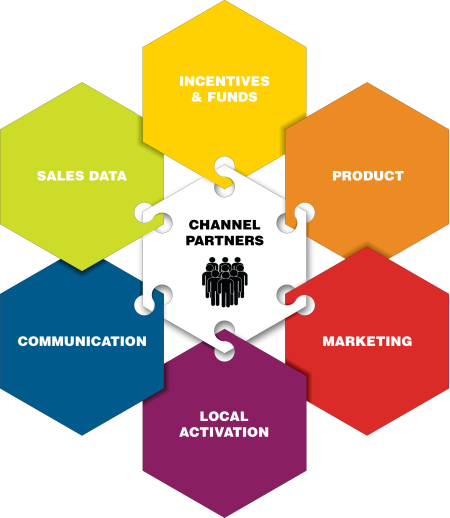
What Are Channel Partners?
Definition and Types of Channel Partners
Channel partners are essential players in the business ecosystem, acting as intermediaries that help companies distribute their products and services to a wider audience. These partnerships can significantly enhance a company’s market reach and operational efficiency.
There are several types of channel partners, each serving a unique role in the distribution process:
- Distributors: These partners purchase products in bulk from manufacturers and sell them to retailers or directly to customers. They often handle logistics and warehousing, allowing manufacturers to focus on production.
- Resellers: Resellers buy products from manufacturers or distributors and sell them to end-users. They may add value through services like installation, support, or customization.
- Agents: Agents represent manufacturers in the market, facilitating sales without taking ownership of the products. They earn commissions based on the sales they generate.
Industries such as technology, consumer goods, automotive products, and pharmaceuticals commonly utilize channel partnerships to enhance their distribution networks and reach new customers.
The Benefits of Channel Partnerships
Enhancing Business Growth and Reach
Channel partners can significantly expand a company’s market reach and customer base. By leveraging the established networks and expertise of these partners, businesses can tap into new markets that may have been previously inaccessible.
Channel partners play a crucial role in driving sales and revenue growth. For instance, a technology company that partners with a well-known distributor can quickly gain access to a vast network of retailers, resulting in increased product visibility and sales.
Streamlining Operations and Reducing Costs
Channel partners can optimize supply chain management by taking on responsibilities such as warehousing, logistics, and distribution. This collaboration can lead to improved operational efficiency and significant cost savings.
Additionally, partnerships can reduce overhead costs associated with maintaining a direct sales force. By utilizing channel partner solutions, businesses can focus on their core competencies while relying on partners for distribution and sales.
Tools and technologies such as Customer Relationship Management (CRM) systems and collaborative platforms facilitate seamless communication and collaboration with channel partners, further enhancing operational efficiency.
Strategies for Building Successful Channel Partnerships
Identifying the Right Channel Partners
Selecting the right channel partners is crucial for aligning with business goals. Criteria for selection should include:
- Market Presence: Evaluate potential partners’ reach and reputation in the market.
- Capabilities: Assess their ability to sell and support your products effectively.
- Cultural Fit: Ensure that their values and business practices align with yours.
Conducting thorough research and due diligence is essential to avoid misalignment and ensure a successful partnership.
Nurturing and Managing Channel Relationships
Effective communication and collaboration are vital for nurturing channel relationships. Best practices include:
- Regular Check-ins: Maintain open lines of communication to address concerns and share updates.
- Support and Resources: Provide partners with the necessary tools, training, and marketing materials to succeed. Solutions like SHIFT’s Marketing Automation platform empower channel partners by offering easy access to resources such as:
- Co-Op and Marketing Funds balances and support.
- Marketing enablement tools such as pre-approved, brand-compliant marketing campaigns to drive local sales.
- Consumer rebate materials.
- Interactive analytics dashboards for performance evaluation Interactive analytics dashboards for performance evaluation.
- Performance Metrics: Establish key performance indicators (KPIs) to evaluate the effectiveness of the partnership and make data-driven decisions.
Regular evaluations help identify areas for improvement and strengthen the partnership over time.

Overcoming Challenges in Channel Partnerships
Common Obstacles and Solutions
While channel partnerships offer numerous benefits, they also come with challenges. Common obstacles include:
- Misalignment of Goals: Partners may have different objectives, leading to conflicts.
- Communication Barriers: Lack of clear communication can result in misunderstandings and inefficiencies.
To address these challenges, businesses should prioritize flexibility and adaptability in partnership management. Establishing clear expectations and maintaining open communication can help mitigate potential issues.
How SHIFT Can Help
As the business landscape evolves, so do channel partnerships. SHIFT is here to simplify the process through the use of:
- Marketing Automation Platform: The Marketing Automation Platform ensures brand integrity across every asset, co-op program or campaign to ultimately help sell more product.
- Funds Management: When Co-Op, accrual, BDF, and MDF programs are fully utilized, companies can maximize sales through their channel partners.
- Incentive Enablement: SHIFT’s sales incentive enablement solutions simplify data collection and enhance downstream processes, making it easier for clients to track sales, reward performance and support marketing efforts.
- Channel Partner Support: Acting as an extension of your sales and marketing teams, SHIFT utilizes technology, automation, data and deep expertise to provide channel partners the resources and support they need to sell and promote your products easily and effectively.
Stay ahead of the curve and leverage channel partnerships with SHIFT, contact us today.